
US strikes Iran for 13th night as Trump warns of bigger attack
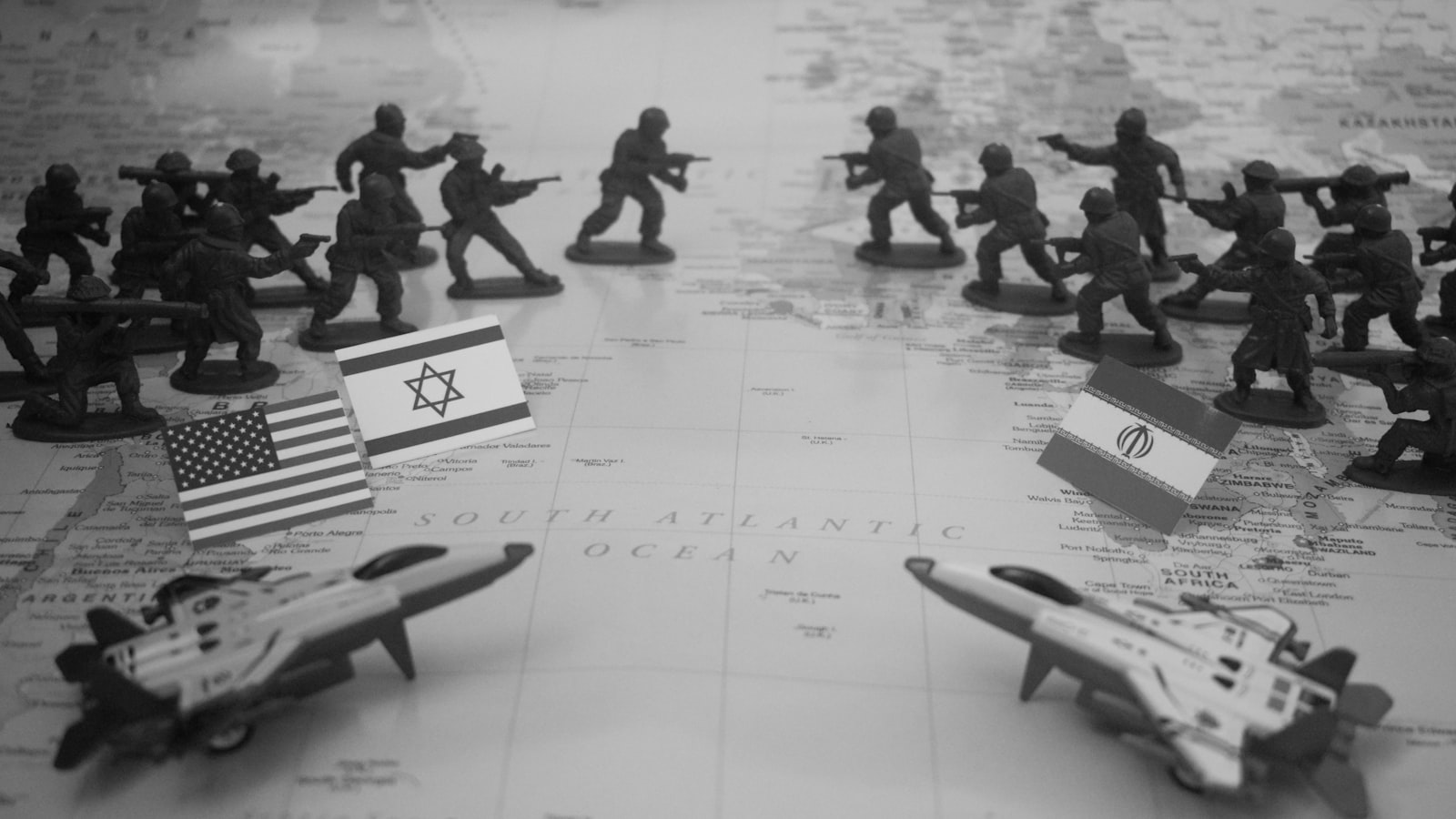
US Central Command reported completing a 13th consecutive night of airstrikes against Iran on Thursday as President Donald Trump threatened Tehran with “major military punishment” after Iran-backed Houthi fighters struck two Saudi oil tankers in the Red Sea — opening a second major front in an already sprawling conflict. CNN’s live updates confirmed the latest round of strikes overnight Thursday into Friday. Bloomberg reported Trump’s new warning to Tehran, framing the Houthis explicitly as an Iranian proxy and holding the Islamic Republic accountable for any future militia attacks.
What the strikes targeted — and what Trump threatened next
US Central Command’s public statements in the days preceding Thursday’s strikes described missions against Iranian military command infrastructure, drone storage and launch facilities, coastal surveillance networks, and maritime-threat capabilities. That pattern of target sets is consistent with degrading Iran’s ability to threaten commercial shipping in the Strait of Hormuz and the Red Sea. Iranian state media reported casualties from strikes near Ahvaz; those figures cannot be independently verified by this publication.
Trump escalated his rhetoric sharply on Thursday. In a post on Truth Social — quoted directly by Reuters and PBS NewsHour — he tied Tehran to the Houthi tanker attacks in explicit terms:
“If they do this again, the U.S. will hold Iran responsible, in that the Houthis are a Surrogate and/or Proxy of Iran, and major military punishment will be inflicted upon Iran and, of course, the Houthis, themselves.” — President Donald Trump, Truth Social, as quoted by Reuters and PBS NewsHour.
Bloomberg separately reported that Trump told reporters he was weighing a significantly larger military action than anything carried out so far, describing the administration’s posture as still escalatory rather than at its ceiling. Trump also said Washington would use Iranian assets held in the United States to compensate for damages to ships and cargo — a statement Secretary of State Marco Rubio echoed, describing the administration’s approach to reporters as “a head for an eye,” a deliberate inversion of Tehran’s own deterrence language, according to Reuters.
The State Department issued a travel advisory urging American citizens in the Middle East to monitor flight schedules and prepare for possible air-travel disruptions linked to the conflict.
Why these warnings matter to Gulf strategy
The combination of nightly strikes and Trump’s public proxy-accountability doctrine represents the clearest articulation yet of Washington’s deterrence logic in the Gulf: hold the principal — Tehran — liable for the actions of its clients, whether Houthi fighters in Yemen, militia groups in Iraq, or Hezbollah in Lebanon.
That approach carries deliberate escalatory risk. By publicly threatening Iran over Houthi maritime operations, the White House raises the cost of any further attack on shipping — but it also narrows the space for Tehran to manage its proxies quietly and stand down without losing face. The parallel escalations pushed energy markets sharply higher on supply-corridor fears, with oil prices rising as the conflict extended into key Red Sea and Hormuz shipping lanes, according to Bloomberg market data.
Iran pushes back; Gulf allies absorb fresh attacks
Iran’s Foreign Minister Abbas Araghchi dismissed Trump’s escalatory language, warning that “mindless aggression” would cost the United States more in any eventual diplomatic settlement, according to Al Jazeera. Araghchi also pushed back on the asset-seizure threat, characterizing it as an “incendiary precedent” that endangered all sovereign funds held abroad.
Iran’s foreign ministry spokesperson Esmail Baghaei called the US campaign “a clear military aggression” and told reporters that Tehran would raise the strikes at the upcoming Shanghai Cooperation Organisation Council of Foreign Ministers meeting, where China and Russia would both be present, according to Iran’s semi-official Tasnim News Agency. Baghaei said the strikes “run counter to all international rules and standards.”
CNN reported that Kuwait, Bahrain, and Jordan each said they had fended off Iranian attacks. Iran had struck a telecommunications tower in Kuwait earlier in the week. Tehran has warned that any US action against Iranian energy infrastructure or key bridges would trigger retaliatory strikes on regional oil, gas, and electricity facilities — a threshold that, if crossed, could broaden the conflict’s economic damage well beyond current levels.
The Houthis framed their tanker offensive as a “siege-for-siege” response, Al Jazeera reported from Sanaa, and warned that Saudi Aramco facilities could become targets if Riyadh does not ease restrictions on Houthi-controlled ports. Saudi Arabia called on the UN Security Council to hold Iran accountable for the Houthi militia’s actions, per Gulf News.
Diplomatic channels remain open but strained
Despite the military pace, Trump said Washington believed Tehran was “getting more serious” about negotiations, and that the US exit strategy could come either diplomatically or militarily. The White House did not elaborate on the specific terms under discussion.
Iraq’s Prime Minister Ali al-Zaidi traveled to Tehran to call for dialogue and pledged that Iraqi territory would not be used for attacks against Iran, his office said. Al-Zaidi had met with Trump in Washington earlier in the month. Oman — which has historically served as a back-channel for US-Iran contacts — announced it was working to broker a separate de-escalation between Saudi Arabia and the Houthis, with support from the UN’s Yemen envoy, according to Reuters.
Israeli Prime Minister Benjamin Netanyahu is scheduled to meet Trump at the White House on Tuesday, Netanyahu’s office confirmed. CNN reported the meeting comes as Trump has threatened to target Iranian power infrastructure for every Iranian attack on vessels transiting the Strait of Hormuz.
NBC News reported that some US regional allies are losing patience with the pace of escalation and the absence of a clear off-ramp. “It’s only getting crazier,” one senior Arab official directly involved in diplomatic efforts told NBC News, declining to be named.
Netanyahu’s Tuesday meeting with Trump and Iran’s expected attendance at the SCO foreign ministers’ meeting are the next two diplomatic markers to watch. Whether the Houthis launch further strikes on Saudi shipping before then will determine whether Trump’s threatened escalation moves from warning to order.
This article draws on reporting from Reuters, Bloomberg, CNN, Al Jazeera, NBC News, PBS NewsHour/Associated Press, Tasnim News Agency, Gulf News, and public statements from US Central Command and the White House. Trump’s Truth Social post was quoted directly by Reuters and PBS NewsHour. Claims that could not be independently verified against named, credible sources — including specific casualty counts from Iranian state media — are attributed accordingly or omitted.
Frequently asked questions
How many nights has the US been striking Iran?
US Central Command has confirmed 13 consecutive nights of airstrikes against Iran, targeting military command infrastructure, drone storage facilities, coastal surveillance networks, and maritime-threat capabilities, according to CNN and US Central Command public statements.
Why is Trump threatening to hold Iran responsible for Houthi attacks?
Trump has publicly characterized the Houthis as a ‘Surrogate and/or Proxy of Iran.’ After Houthi fighters struck two Saudi oil tankers in the Red Sea, Trump warned on Truth Social — as quoted by Reuters and PBS NewsHour — that any repeat would result in ‘major military punishment’ against Iran itself.
What is the current diplomatic situation?
Iraq’s Prime Minister Ali al-Zaidi visited Tehran calling for dialogue. Oman is attempting to broker a de-escalation between Saudi Arabia and the Houthis with UN support. Israeli Prime Minister Netanyahu is scheduled to meet Trump at the White House on Tuesday, Netanyahu’s office confirmed.
Which Gulf countries have faced Iranian attacks?
Kuwait, Bahrain, and Jordan each reported fending off Iranian attacks, according to CNN. Iran also struck a telecommunications tower in Kuwait earlier in the week.
What has Iran said in response to the US strikes?
Iran’s Foreign Minister Abbas Araghchi dismissed the escalatory language and warned of a higher diplomatic cost, per Al Jazeera. Foreign ministry spokesperson Esmail Baghaei called the strikes ‘a clear military aggression’ and said Tehran would raise the matter at the upcoming SCO foreign ministers’ meeting, according to Tasnim News Agency.
How are oil prices responding to the conflict?
Energy markets rose sharply on supply-corridor fears as the conflict extended into key Red Sea and Hormuz shipping lanes, according to Bloomberg market data. Specific real-time price figures should be checked against current financial data providers, as oil prices fluctuate rapidly during active conflict periods.