
Red Sea war-risk cover tightens as Gulf conflict widens
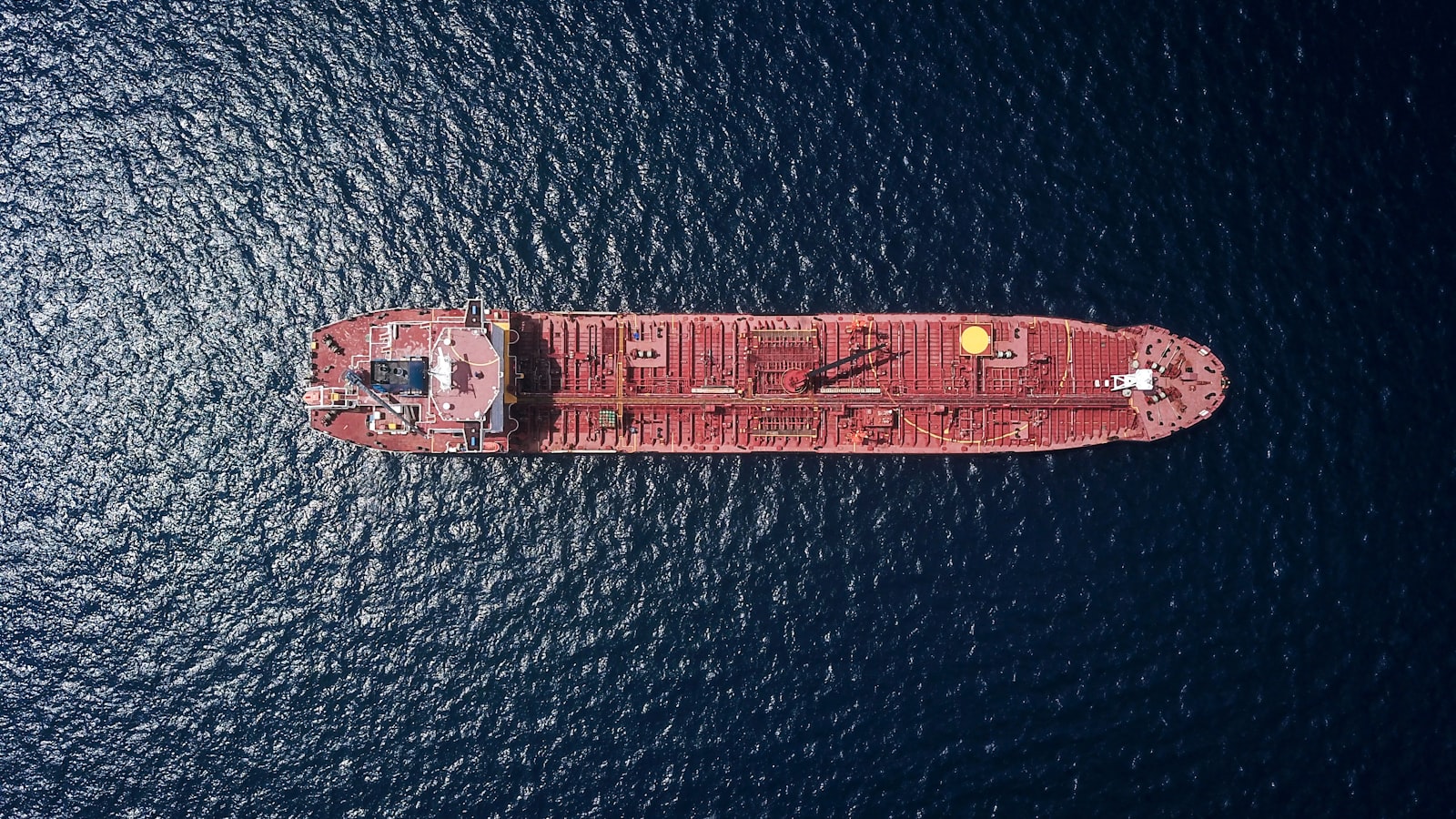
Major underwriters at Lloyd’s of London told brokers this week they will exclude vessels with any “Saudi touchpoints” from war-risk cargo coverage in the Red Sea, the Financial Times reported Friday — a market signal that the Iran–Gulf conflict is now pricing into global shipping routes beyond the battlefield.
The insurance pullback follows the Houthi movement’s declaration on July 20 of a naval blockade on Saudi Arabia, a move the Iran-backed group said was retaliation for the kingdom’s role in the broader Gulf conflict. Separately, the Wall Street Journal reported Friday that Bahrain and Kuwait had secretly sent warplanes to strike targets inside Iran earlier this month, marking the first direct aerial retaliation by Gulf states against Tehran, deepening the crisis that insurers are now pricing into their books.
Premiums triple in four days
War-risk premiums for Red Sea transits had already been climbing since the Houthi blockade announcement. Insurance industry sources cited by Insurance Journal said indicative rates stood at roughly 0.3% of a vessel’s value before the Houthi announcement on July 20. By the following Tuesday they had risen to about 0.75%. By Thursday they had surpassed 1% for southern Red Sea transits, according to sources cited by MarineLink, who declined to be identified due to the sensitivity of the matter.
For vessels calling at southern Saudi ports — Jizan and Al Shuqaiq — which sit closest to Houthi-controlled Yemeni territory and require transit through the Bab el-Mandeb Strait, some brokers quoted rates as high as 3%, MarineLink reported. Even a fraction of a percentage point increase translates into hundreds of thousands of dollars in additional cost per seven-day voyage.
Insurers Ascot and Navium told brokers they were preparing to cancel existing policies for Saudi-linked vessels following Houthi attacks on the Saudi-flagged tankers Encelia and Layla, according to the Financial Times, as reported by OntimeBrief. The restrictions may extend to foreign-flagged ships that have previously called at Saudi ports — a broader category than the flag alone. It is not yet clear how many vessels would ultimately fall within that definition, and neither Ascot nor Navium responded publicly to requests for comment on the scope of the withdrawal.
British maritime security company Ambrey assessed Saudi Arabia-flagged, owned, or operated vessels, and ships bound for Saudi Red Sea ports, as being at high risk of a Houthi attack.
“The Houthis made mistakes during the 2024 Red Sea crisis in targeting shipping with out-of-date affiliations to companies. It is likely that vessels could be targeted for mistaken identities,” Ambrey said in a statement cited by Insurance Journal.
What’s at stake for energy markets
The Bab el-Mandeb Strait — the narrow southern gateway linking the Red Sea to the Gulf of Aden — sits squarely within Houthi-controlled range. Insurance Journal reported that a full closure of the strait would halt Saudi oil exports to Asia and could reduce global oil supply by 7%.
The stakes are compounded by the simultaneous crisis at the Strait of Hormuz. Saudi Arabia has been routing crude through the East-West pipeline to its Yanbu port on the Red Sea to bypass Hormuz, but the pipeline’s capacity tops out at around 5 million barrels per day, short of the kingdom’s pre-war export level of roughly 7 million barrels per day, according to the Financial Times. A Houthi choke on the Bab el-Mandeb would leave Riyadh with no viable sea export route.
The Houthis deny they are closing the strait outright, describing their campaign as a targeted naval blockade against Saudi Arabia specifically. Hamish Kinnear, principal Middle East and North Africa analyst at risk intelligence company Verisk Maplecroft, told MarineLink the selective nature of the blockade was consistent with past behavior: the passage of a Chinese-owned tanker through the Bab el-Mandeb earlier this week suggested “the blockade will be targeted at vessels linked to Saudi and Western interests, as was the case during the 2023–25 Houthi Red Sea anti-shipping campaign.” Rates for Jeddah and Yanbu — further north and closer to the Suez Canal — were quoted at around 0.1%, reflecting the lower exposure for now, MarineLink reported.
Even selective enforcement is reshaping ship routing. According to the Washington Post, ship-tracking data from MarineTraffic showed a Chinese-operated container ship making a U-turn before reaching the Red Sea on Tuesday. The Greek-owned vessel Merbabu and three tankers operated by Saudi shipping group Bahri appear to have switched off their automatic tracking signals entirely, OntimeBrief reported. It is unclear where those vessels are currently located.
The Gulf airstrikes that widened the picture
The insurance contraction is arriving against a backdrop of rapid military escalation. The Wall Street Journal reported Friday that Bahrain and Kuwait had secretly struck drone and missile storage depots inside Iran, with the United Arab Emirates providing intelligence and “defensive air cover” for the operations. The Gulf states have relatively small air forces — Kuwait operates Eurofighter Typhoon jets; Bahrain flies F-16s — but sources told the Journal that both governments were unwilling to absorb continued Iranian strikes without a response.
Iran launched a series of attacks on Kuwait beginning February 28, striking the Mina Al-Ahmadi refinery and Kuwait International Airport, according to Wikipedia’s contemporaneous conflict log. Iranian strikes on Bahrain hit buildings in the capital Manama, including the Juffair district where the U.S. Navy’s 5th Fleet is headquartered, according to the same source. The two Gulf states’ counter-strikes, reported Friday, mark the first time either country has carried out direct offensive action against Iranian territory in the current conflict.
The Council on Foreign Relations noted in analysis published July 20 that during the previous Houthi campaign — which ran from late 2023 until the Gaza ceasefire last October — oil shipments through the Bab el-Mandeb fell from 9.3 million barrels per day in 2023 to 4.1 million barrels per day in 2024. A repeat of that disruption, layered on top of Hormuz restrictions, would represent a simultaneous pressure on two of the world’s most critical energy corridors.
The Financial Times, Insurance Journal, MarineLink, the Wall Street Journal, the Washington Post, the Council on Foreign Relations, and OntimeBrief provided reporting and data cited above.
Whether Ascot, Navium, and other Lloyd’s syndicates formalize their withdrawals — or whether Houthi attacks on Saudi-linked vessels materialize at scale — will determine how quickly the insurance contraction translates into full route abandonment. The next scheduled diplomatic touchpoint between the U.S. and Iran has not been publicly confirmed.
Frequently asked questions
Why are ship insurers restricting coverage for Saudi cargoes in the Red Sea?
Major Lloyd’s of London underwriters are pulling back war-risk coverage for vessels with any Saudi connection following the Houthi movement’s July 20, 2026 declaration of a naval blockade on Saudi Arabia. Houthi attacks on Saudi-flagged tankers Encelia and Layla prompted insurers including Ascot and Navium to prepare policy cancellations, according to the Financial Times.
How much have war-risk premiums risen for Red Sea shipping?
Indicative war-risk premiums surged from roughly 0.3% of a vessel’s value before the Houthi blockade announcement on July 20 to over 1% by July 24, according to insurance industry sources cited by MarineLink. For voyages from southern Saudi Red Sea ports through the Bab el-Mandeb, some brokers quoted rates as high as 3%.
What is the Bab el-Mandeb Strait and why does it matter?
The Bab el-Mandeb is a narrow waterway between Yemen and Djibouti that connects the Red Sea to the Gulf of Aden. It is one of the world’s most critical shipping chokepoints for oil exports. A full closure would halt Saudi Arabia’s oil exports to Asia and could reduce global oil supply by approximately 7%, according to Insurance Journal.
Did Bahrain and Kuwait really strike Iran?
The Wall Street Journal reported on July 25, 2026 that Bahrain and Kuwait secretly sent warplanes to strike drone and missile storage depots inside Iran, with the UAE providing intelligence and defensive air cover. The strikes marked the first direct aerial retaliation by Gulf states against Iranian territory in the current conflict.
Can Saudi Arabia route its oil exports around the Red Sea?
Saudi Arabia has been using the East-West pipeline to move crude to its Yanbu port on the Red Sea, bypassing the Strait of Hormuz. However, that pipeline can handle up to roughly 5 million barrels per day, which falls short of Saudi Arabia’s pre-war export level of around 7 million barrels per day, according to the Financial Times. A Houthi blockade of the Bab el-Mandeb would close Saudi Arabia’s remaining viable sea export route.