
Paramount-Warner Bros. merger blocked for 14 more days
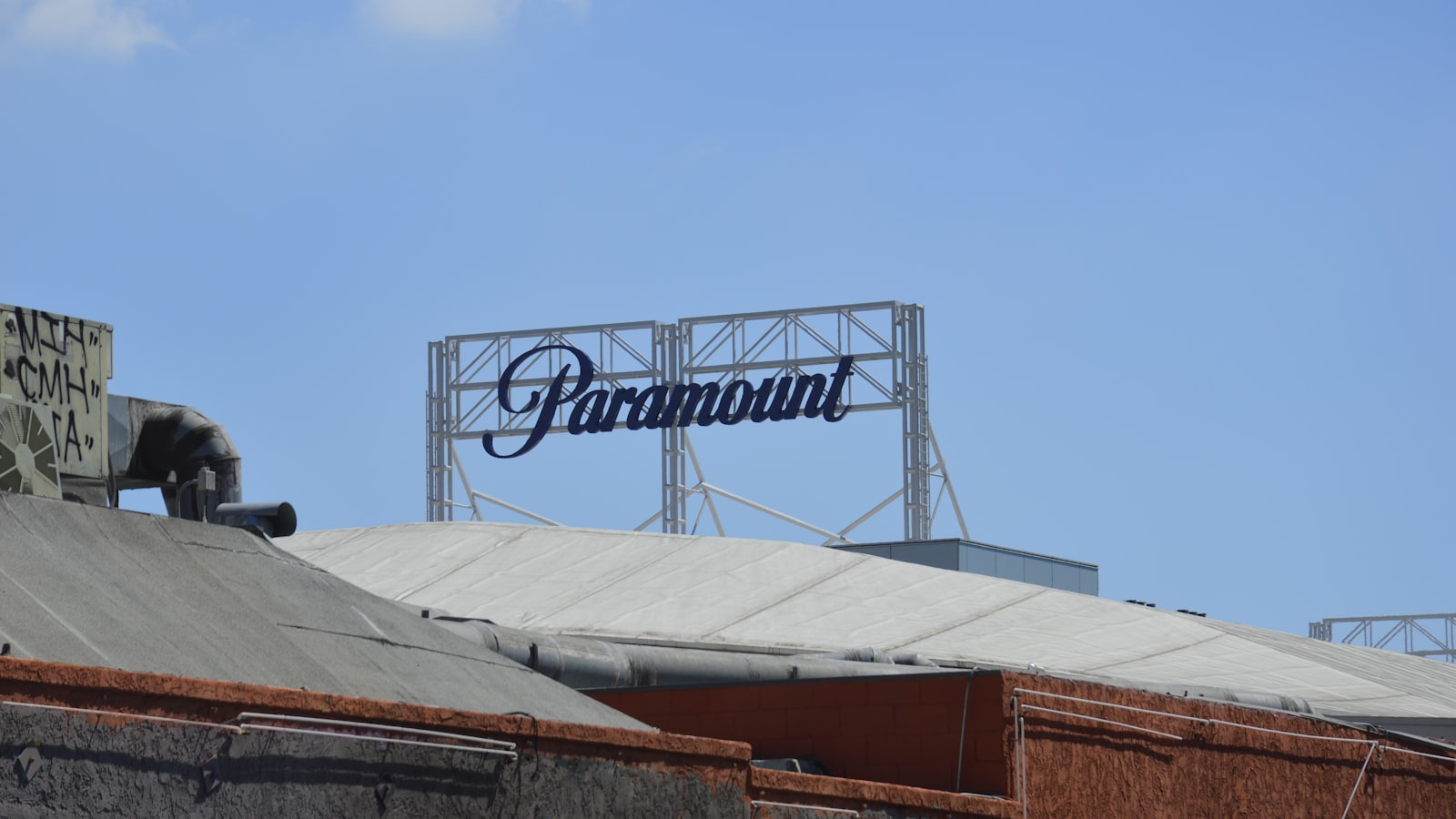
A federal judge extended the court order blocking the proposed merger of Paramount Global and Warner Bros. Discovery for an additional 14 days on Thursday, keeping one of Hollywood’s most consequential corporate deals in legal limbo as both sides argue over whether the combination should proceed at all.
The extension is not a ruling on the merits — but it signals that the court needs more time to weigh arguments that could reshape how Americans watch television and film for the next decade. A combined Paramount-Warner Bros. Discovery would fold CBS, MTV, Nickelodeon, CNN, HBO, and Max under a single corporate roof, creating a content portfolio that rivals only Disney in breadth. For studios, streamers, and the roughly 35,000 employees across both companies, the clock is ticking in a way that carries real stakes beyond the legal procedural.
What the court order actually does
According to Variety, which reviewed the court order, the judge’s extension preserves an injunction that prevents the deal from closing while litigation continues. The precise legal arguments at the center of the dispute were not fully detailed in the public-facing order, and it is unclear whether the court will hear further oral arguments before the extended period expires. Neither Paramount Global nor Warner Bros. Discovery responded to requests for comment by the time of publication.
Merger challenges at this scale typically hinge on antitrust concerns — whether the combined entity would suppress competition in content licensing, advertising markets, or subscriber acquisition. The U.S. Department of Justice and the Federal Trade Commission have both scrutinized large media consolidations with increasing intensity since 2021, when the FTC moved against several tech-adjacent media deals. Whether either agency is a party to the current injunction was not specified in the available court documents.
What is clear is that the 14-day window is short, and both companies have financial incentives to close quickly. Warner Bros. Discovery, which carries approximately $40 billion in debt according to its most recent annual filing, has publicly positioned a Paramount merger as a path toward cost reduction and streaming scale. Each day the injunction holds is a day that debt accrues interest and merger-related uncertainty clouds both companies’ stock performance.
What a combined studio would mean for streaming
Strip away the legal language and the deal’s cultural stakes come into focus fast. Max and Paramount+ together would command a combined subscriber base that, per analyst estimates cited by Bloomberg in early 2025, could approach 90 million U.S. households — putting the merged service within striking distance of Netflix’s domestic reach. The question is whether scale alone translates to a better product for viewers, or whether it mainly produces cost savings that come at the expense of creative output.
The precedent is not encouraging. When Discovery acquired WarnerMedia in 2022 and formed Warner Bros. Discovery, the immediate aftermath included the abrupt removal of dozens of completed films and television series from Max — a move that drew sharp criticism from creators and confused subscribers who found content vanishing without notice. The removal of Batgirl, a finished $90 million film, became a symbol of how merger economics can override creative investment.
A Paramount absorption risks a similar shakeout. Paramount’s streaming library — including the Yellowstone franchise on Paramount Network, a deep catalog of MTV reality programming, and the CBS broadcast archive — would need to be rationalized against Max’s existing tier structure. That rationalization almost certainly means cuts, both to content and to the people who make it.
The counterpoint: consolidation as survival strategy
There is a legitimate argument on the other side of this, and it deserves a fair reading. Paramount Global has spent years in financial difficulty, cycling through rounds of layoffs and a failed attempt to sell a stake in BET. Its streaming division has never turned a sustained profit. For a company of that size to remain an independent creative force against Netflix, Amazon, and Apple — all of which have balance sheets that dwarf the entire traditional media sector — standalone survival looks increasingly difficult.
Warner Bros. Discovery CEO David Zaslav has argued publicly, in interviews with outlets including the Financial Times, that the American media industry requires consolidation to compete globally, particularly against Korean, Indian, and British content industries that receive substantial state support. That argument is contestable on several grounds, but it is not frivolous. The question the court is not equipped to answer — and the one that matters most culturally — is whether bigger studios make better stories, or merely cheaper ones.
The evidence from the past decade of media consolidation suggests the answer depends almost entirely on who runs the combined entity and what creative autonomy they extend to the people actually writing, directing, and producing. Scale enables investment; it does not guarantee it.
What comes next
The 14-day extension means a resolution — or another extension — is expected before the end of the month. If the injunction is lifted and the deal closes, the merged company would face an immediate integration challenge in an advertising market that Magna Global projected in December 2024 would grow more slowly than expected through 2026. If the court ultimately blocks the merger on antitrust grounds, both companies return to their separate, difficult financial situations — and the search for alternative partners begins again.
Variety and Bloomberg provided the primary reporting and financial figures cited above. Warner Bros. Discovery’s debt figures are drawn from the company’s 2024 annual report filed with the Securities and Exchange Commission.
The next hearing date, if one is scheduled, had not been made public as of Thursday afternoon. That is the date worth watching.
Frequently asked questions
Why is the Paramount-Warner Bros. merger being blocked?
A federal judge extended an injunction preventing the deal from closing for an additional 14 days, giving the court more time to weigh legal arguments. The specific grounds — likely related to antitrust concerns — were not fully detailed in the public-facing order.
What would a combined Paramount and Warner Bros. Discovery look like?
The merged company would control CBS, MTV, Nickelodeon, CNN, HBO, and Max under one roof, with a combined U.S. streaming subscriber base that analysts estimated could approach 90 million households, according to Bloomberg.
How much debt does Warner Bros. Discovery carry?
Warner Bros. Discovery carried approximately $40 billion in debt as of its most recent annual filing with the Securities and Exchange Commission.
What happened to content when Discovery merged with WarnerMedia in 2022?
After the 2022 merger that formed Warner Bros. Discovery, dozens of completed films and TV series were removed from Max, including the finished $90 million film Batgirl, drawing widespread criticism from creators and subscribers.
When will the court make a final decision on the merger?
The 14-day extension means a resolution or further extension is expected before the end of the month. The next hearing date, if scheduled, had not been made public as of Thursday afternoon.