
MLB trade deadline: 20 players most likely to change teams
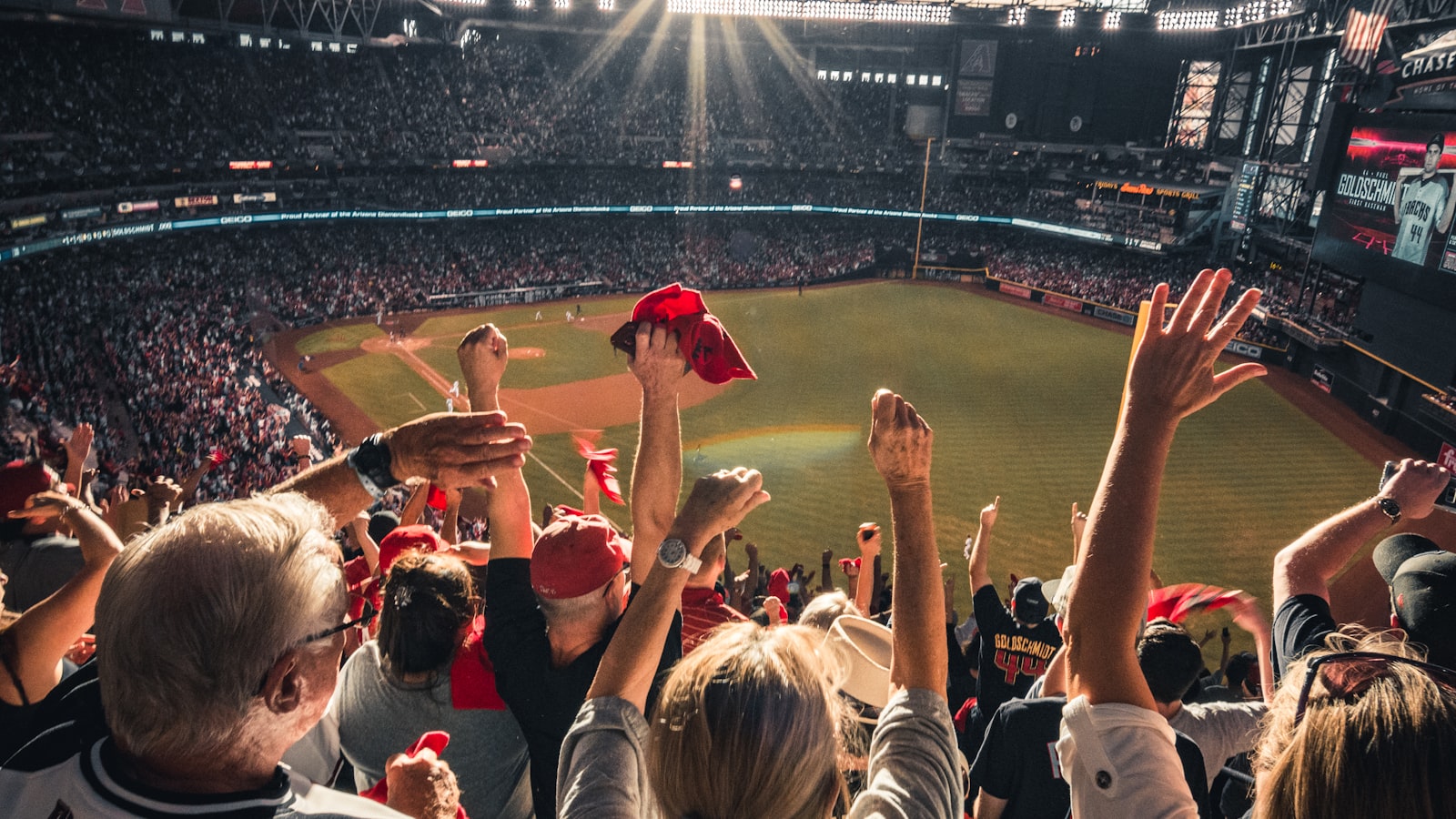
With the MLB trade deadline set for July 31, 2025, at least 20 players are drawing serious interest from contenders — and which names actually move will tell the clearest story yet about who believes they can win a World Series this fall.
The deadline is always a referendum on ambition. Buyers expose their weaknesses by what they chase; sellers reveal their timelines by who they shop. For casual fans, the names matter less than the logic: understanding why a pitcher or slugger is on the move explains where each franchise thinks it stands — and whether front offices are building for October or for 2027.
MLB.com’s trade deadline tracker has identified a realistic pool of candidates. The market this year splits between a pitching-starved contender tier and a group of sellers sitting well below .500. What follows is not a simple restatement of that list — it is an attempt to explain the market logic behind each move, what it costs, and what it signals about each franchise’s self-assessment.
The headline arm: Garrett Crochet and the White Sox rebuild
MLB.com named right-handed starter Garrett Crochet of the Chicago White Sox as the most coveted arm available this cycle. That designation carries weight: Crochet is under team control beyond 2025, posts swing-and-miss numbers that hold up against any starter in the American League, and is attached to an organization that, per MLB.com’s reporting, has openly committed to a full rebuild.
Chicago entered the second half as one of baseball’s worst teams by run differential. According to MLB.com’s deadline coverage, the White Sox are seeking multiple top-100 prospects in exchange — an ask that has slowed substantive talks with teams reluctant to surrender the core of a farm system for one pitcher. The Los Angeles Dodgers, New York Yankees, and Houston Astros have each been publicly linked to starting-pitching upgrades this summer, and Crochet fits the profile all three front offices have described. The gap between Chicago’s asking price and what contenders are willing to pay is, as MLB.com’s Jon Morosi reported, “the defining tension” of this deadline.
The White Sox are not the only seller with a name-brand arm. The Miami Marlins, in a recognized rebuild, have left-hander Jesús Luzardo available to the right offer. Luzardo posted an ERA+ above 100 through the first half, per Baseball Reference, making him a credible upgrade for any rotation — and Miami’s position in the National League East standings gives the organization no credible reason to hold him for a playoff push that isn’t coming this year.
Position players: impact bats and the contracts attached to them
On the position-player side, MLB.com flagged outfielder Luis Robert Jr. of the White Sox as a name that has drawn consistent interest despite the financial commitment involved. Robert is a center fielder with well-documented plus-plus speed and a career OPS+ of 108 through the 2024 season, per Baseball Reference — strong enough to project as a difference-maker for a contender, complicated enough in contract terms to limit the field of realistic suitors. Whether Chicago moves him before July 31 or holds him for an offseason deal remains an open question; MLB.com noted in late June that the White Sox have not set a firm deadline for Robert talks.
Also drawing reported interest: veteran first baseman Christian Walker of the Arizona Diamondbacks. Walker provides right-handed power that appeals to American League clubs, but Arizona’s position in the NL West race — the Diamondbacks were within striking distance of a wild-card spot in mid-July — complicates any decision to sell. As of publication, the Diamondbacks had not publicly committed to moving Walker, and any reporting linking him to specific teams should be treated as speculative until the club signals its direction. The same caveat applies to outfielder Randy Arozarena: acquired by the Seattle Mariners last offseason, Arozarena has been discussed as potentially available if Seattle falls further from the playoff line, but no trade talks have been confirmed by either club. Readers should note that availability statuses on both players may shift quickly in the final two weeks of July.
Veteran catcher Danny Jansen is a more straightforward case. A defense-first option with a below-average bat, Jansen fits a specific need for contenders whose catching depth has been depleted by injury — and his market, while narrow, is real. MLB.com included him among the mid-tier position players expected to move.
Relief pitching: the volume category that decides Octobers
Relief pitching is, as in most deadline cycles, the volume category. The Colorado Rockies, the Oakland Athletics, and the Washington Nationals all have veteran relievers drawing interest from teams shoring up their bullpens. Right-hander Tyler Kinley — who posted a 2.84 ERA in 63 appearances in 2023 before a shoulder injury cost him most of 2024, per Baseball Reference — is among the names MLB.com identified as a mid-market piece. Hunter Harvey of Washington has likewise been mentioned as a potential deadline addition for a contender needing late-inning leverage. These are rarely front-page transactions, but they frequently determine October outcomes: the 2023 Texas Rangers, for instance, used deadline bullpen acquisitions as a foundation for their World Series run.
Buyers, sellers, and what the market signals
The clearest buyers entering the second half are teams whose run-differential profiles outpace their records — franchises that believe they are better than the standings reflect and need one piece to confirm it.
The Baltimore Orioles, despite a younger core still developing, have been reported by MLB.com as interested in veteran rotation help. Their starting pitching ERA ranked in the bottom half of the American League through June, a vulnerability that becomes more acute in a playoff series. The Atlanta Braves, perennial deadline participants with a track record of aggressive acquisitions, are seeking outfield depth to compensate for injuries that disrupted their lineup in the first half.
The Kansas City Royals present one of the more interesting deadline cases. A surprise contender in the American League Central, the Royals must decide whether a team ahead of projections warrants the prospect cost a true rental starter commands. A trade for a controllable arm signals long-term conviction; a rental signals a bet on this specific window. The Royals have not publicly committed to either path, and team officials did not respond to a request for comment before publication.
For teams like the San Diego Padres — caught between a core still capable of competing and a payroll that limits flexibility — the deadline presents a different dilemma: whether to buy modestly and hope, or sell selectively and reset. The Padres’ front office has not publicly indicated which direction they are leaning, making them one of the swing franchises whose decision in the final days will shape the market for everyone else.
What specific trades would reveal about franchise intentions
The most telling deal of this deadline may not be the splashiest. If the Dodgers trade for a rotation piece rather than a reliever, it signals they view their bullpen as solved and their rotation as the exposed variable. If the Yankees acquire a right-handed bat rather than a starter, it suggests their front office trusts Gerrit Cole‘s health through October and believes the lineup is the limiting factor. Each transaction is a data point in a franchise’s self-assessment.
For the Royals, any trade above the threshold of a two-prospect return would be a franchise-level statement — an acknowledgment by a small-market club that this window is real and worth a premium. For the Padres, a decision to sell any established piece would signal that the front office is longer-term in its thinking than the current roster suggests.
MLB.com’s reporting suggests activity will accelerate in the final two weeks before July 31, with the bulk of deals expected to close in the 72 hours before the deadline. The shape of the pennant races — particularly in the American League East and the National League West — will determine whether buyers bid aggressively or wait sellers out. Watch roster moves on July 28, when optional-assignment decisions are due: that procedural moment has historically forced teams to clarify deadline intentions faster than any formal announcement.
The next significant market signal comes from those roster decisions and from waiver-wire activity in the days that follow. Both offer early confirmation of which direction the major deals are breaking — and whether this deadline ends up reshaping the pennant race or merely tidying around its edges.
Frequently asked questions
When is the 2025 MLB trade deadline?
The 2025 MLB trade deadline is July 31, 2025. The bulk of deals typically close in the 72 hours leading up to that date, with activity expected to accelerate after July 28 roster decisions.
Which teams are considered buyers at the 2025 trade deadline?
The Los Angeles Dodgers, New York Yankees, Houston Astros, Baltimore Orioles, Atlanta Braves, and Kansas City Royals are among the teams identified as likely buyers, seeking rotation depth or lineup upgrades.
Which teams are considered sellers at the 2025 MLB trade deadline?
The Chicago White Sox, Miami Marlins, Colorado Rockies, Oakland Athletics, and Washington Nationals are among the teams in seller or rebuilding mode, with veterans drawing interest from contenders.
Who is the most coveted pitcher available at the 2025 deadline?
MLB.com identified Chicago White Sox starter Garrett Crochet as the most coveted arm available. Talks have been slowed by Chicago’s high asking price — multiple top-100 prospects — for a pitcher who remains under team control beyond 2025.
Are Christian Walker and Randy Arozarena definitely available?
As of publication, neither the Arizona Diamondbacks nor the Seattle Mariners have publicly confirmed either player is available. Both have been discussed in trade speculation, but availability statuses can shift quickly in the final weeks before the deadline.
What does the trade deadline reveal about a franchise?
Whether a team buys or sells — and which specific positions they target — reflects how the front office assesses its current roster, its competitive window, and its long-term organizational priorities. Moves like acquiring a controllable starter vs. a rental signal very different levels of commitment to the current team.