
How video game soundtracks became concert repertoire
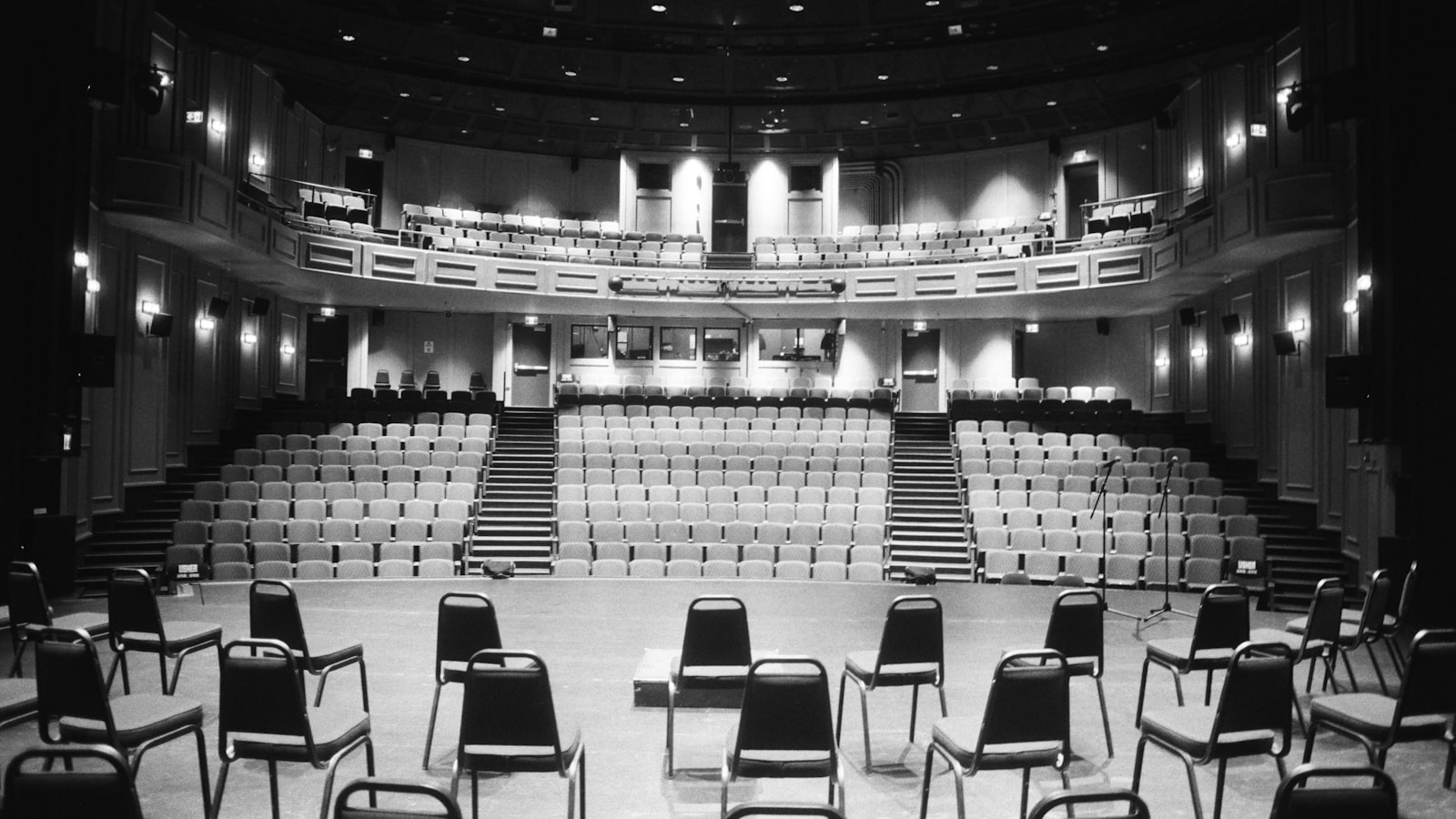
Concert halls that programme game music routinely sell out, frequently to audiences younger than any other event in the season. Two decades ago this would have been dismissed as novelty programming. It is now a durable part of the repertoire, and the reasons say something interesting about how the music was written in the first place.
The constraint that shaped the form
Film music accompanies a fixed timeline. The composer knows precisely how long a scene runs and can write to the frame.
Game music cannot. A player may cross a room in twelve seconds or spend twenty minutes searching it. The music must work indefinitely, without becoming irritating, while remaining unobtrusive during activity that demands attention.
This produced a distinctive discipline: themes that support repetition, harmonic movement that avoids strong resolution, and orchestration that leaves space. Composers wrote music designed to be lived inside rather than watched.
The unintended consequence is that this music rewards repeated listening unusually well — a property that transfers to a concert hall, where an audience is doing nothing but listening.
The chiptune inheritance
Early game hardware permitted only a few simultaneous voices with crude waveforms. Composers had perhaps three channels and no dynamics.
Severe constraint tends to force melodic strength, because melody is what survives when timbre and texture are unavailable. A theme written for three square waves had to be memorable on its intervals alone.
That is precisely the material that orchestrates well. When those melodies were later arranged for full ensemble, they held up, because they were built on the element that transfers between any instrumentation.
Adaptive scoring, and what a concert cannot reproduce
Modern game scores are frequently adaptive: layers enter and depart in response to what the player does. Approach danger and percussion appears; resolve it and the texture thins. The music responds continuously to something that does not exist in a concert hall.
Performing this repertoire live therefore requires arrangement rather than transcription. Someone must decide a fixed path through material designed to have none — which layers to use, in what order, and how to shape a satisfying five minutes from something that was never linear.
Good game-music concerts are consequently as much acts of arrangement as of performance, and the arranger is doing compositional work.
Why the audiences are different
The demographic gap is real and worth understanding rather than merely celebrating.
Audiences arrive with an unusually deep relationship to the material. Someone who spent eighty hours in a game has heard a theme hundreds of times, in emotionally significant contexts they participated in rather than watched. That is a stronger attachment than most film scores generate, and it is closer to how people relate to popular music.
It also means the audience knows the music intimately while frequently having no orchestral concert experience. This produces behaviour halls are unused to — applause in unexpected places, recognition of a theme’s first bar — and orchestras that programme these events successfully tend to accommodate that rather than correct it.
The institutional argument
Orchestras face a well-documented problem: ageing audiences and difficulty attracting new ones. Game concerts demonstrably attract people who do not otherwise attend.
The open question is whether that attendance transfers. Evidence that game-concert audiences subsequently buy tickets for standard repertoire is mixed, and the honest position is that it may simply be a separate audience for a separate product — which is a perfectly good outcome, just not the one sometimes claimed.
The rights problem behind the scenes
One reason this repertoire took so long to reach concert halls has nothing to do with musical merit. Game music is frequently work-for-hire, with rights held by a publisher rather than the composer, and the licensing needed to perform it publicly can involve several parties who never anticipated the question.
Older titles are worse, because studios closed, catalogues changed hands, and documentation from the era was rarely built with concert performance in mind. Some beloved scores are difficult to programme simply because establishing who may authorise it takes longer than the performance is worth.
Whether it is good music
The debate is now largely settled by practice: works are commissioned, recorded by major orchestras, and studied. Some of it is excellent, much is competent, and some is functional music that does not reward isolated attention — which is exactly the distribution found in film music, or any repertoire assembled from a working industry.
What is distinctive is the constraint it emerged from. Music written to accompany an unpredictable duration, without demanding attention, while remaining memorable, is a genuinely unusual brief. That it produced a body of work capable of filling concert halls is a reasonable argument that constraints of that kind are productive rather than limiting.
Frequently asked questions
Why does game music work well in concert?
It was written to withstand repeated listening without irritating the listener, which is a property that transfers well to a hall. Early hardware constraints also forced strong melodies, and melody is what survives any change of instrumentation.
What is adaptive game music?
Scoring where layers enter and depart in response to player actions, so the music responds continuously rather than following a fixed timeline. Performing it live requires arrangers to choose a single path through material designed to have none.
Do game concerts bring new audiences to orchestras?
They demonstrably attract people who do not otherwise attend. Whether that attendance transfers to standard repertoire is less clear, and it may simply be a separate audience for a separate product.