
How streaming changed the album, and what artists did about it
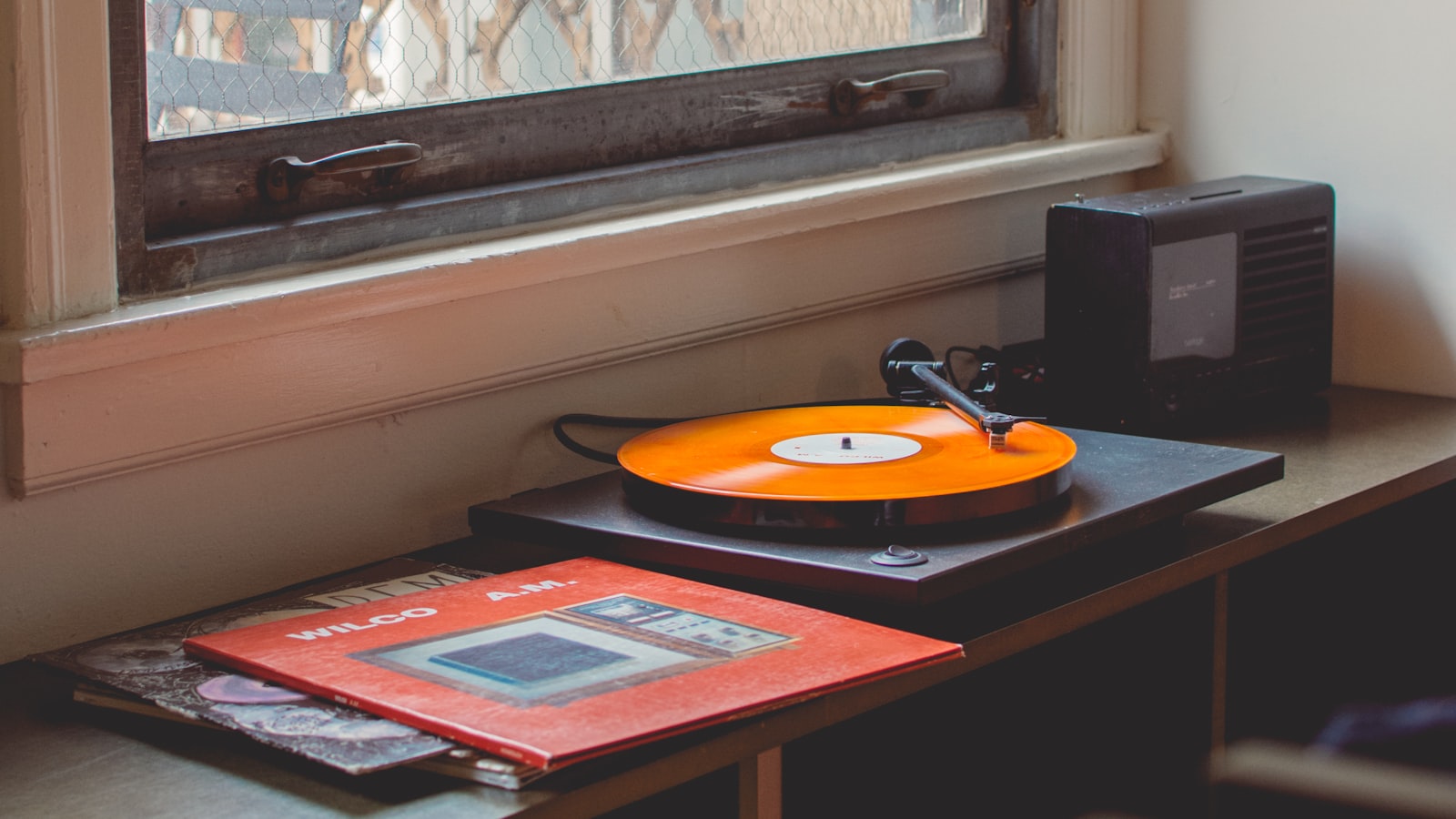
The album as a form was shaped by physical constraints. A vinyl side held around twenty minutes, which is why so many classic records run about forty and have a distinct break in the middle. The compact disc extended that to roughly eighty, and albums promptly grew.
Streaming removed the constraint entirely and replaced it with a different one: an economic model that counts plays. The album did not disappear, but it changed in ways that are measurable and, once described, impossible to stop noticing.
The mechanism
Under streaming, revenue accrues per track played beyond a threshold of a few seconds. A listener who plays twenty tracks generates roughly twice what one playing ten does, regardless of total listening time.
This single fact produces most of what follows.
Albums got longer, tracks got shorter
If payment scales with track count, more tracks is more revenue. Album lengths in some genres expanded to twenty tracks and beyond — running times that would have required a double album and a corresponding price increase in the physical era, but cost nothing to distribute now.
Simultaneously, individual tracks contracted. Average song length has fallen noticeably, and the reasons compound: shorter songs mean more tracks in the same listening time, and a listener’s attention is a scarce resource competing against a skip button.
The intro nearly disappeared
The most audible change. Long instrumental introductions — once a standard way to establish mood — became commercially dangerous, because a listener deciding within seconds has not yet heard the hook.
Average time-to-vocal dropped substantially. Songs increasingly open on the chorus or a compressed version of it. This is not a decline in craft; it is craft responding to a measured behaviour, in the same way that radio-era songwriting shaped itself around a three-minute limit.
Sequence stopped being load-bearing
An album’s running order was once a deliberate structure: an opener, a mid-side shift, a closer that recontextualised what preceded it. Shuffle and playlist listening dissolve that. A track lifted into a playlist arrives with no neighbours.
The practical consequence is that songs must work in isolation, which subtly penalises the kind of track that only makes sense in position — the interlude, the reprise, the quiet piece before the finale.
The playlist replaced the single
Editorial and algorithmic playlists became the primary route to discovery, and placement on a large one can matter more than any traditional promotion.
This creates a pressure toward tracks that fit an existing playlist mood — identifiable, consistent, unlikely to cause a skip. The incentive rewards songs that sit comfortably alongside others, which is not always the same as songs that are distinctive.
What artists did in response
The interesting part is that the form did not simply capitulate.
Some leaned in. Long track lists optimised for the model, released as events, with a deliberate abundance that treats the album as a catalogue rather than a statement.
Some went the other way. Short, tightly sequenced records — thirty minutes, ten tracks, designed to be heard in order — became a legible artistic statement precisely because the environment made them uneconomic. Choosing brevity now signals intent in a way it did not when brevity was mandatory.
Some moved the value elsewhere. Vinyl’s revival is substantially about this: a physical object, an ordered sequence, artwork at a size you can look at, and a purchase that pays the artist more than years of streams. The album survives as an object even where it has weakened as a listening habit.
Some abandoned the unit. Releasing singles continuously, without ever assembling an album, is now a viable career shape. For an artist whose audience arrives through playlists, the album may add nothing that individual releases do not.
Whether this is a loss
It is worth resisting the reflex that says yes. The album was itself a commercial format imposed by manufacturing, and the forms it displaced had their own defenders. Any technology that changes how music is distributed changes what music gets made.
What is fair to say is narrower: the current model rewards a specific set of choices — more tracks, faster openings, songs that stand alone — and artists who want to do otherwise now do so against the incentives rather than with them. That is a real constraint on a form, and noticing it is different from mourning it.
Frequently asked questions
Why have songs got shorter?
Streaming pays per track played, so more tracks in the same listening time means more revenue. Shorter songs also reduce the risk of a listener skipping, which compounds the incentive.
Why do modern songs start with the chorus?
Because listeners decide within seconds. A long instrumental introduction risks a skip before the hook arrives, so average time-to-vocal has fallen substantially. It mirrors how radio once shaped songs around a three-minute limit.
Is the album format dying?
It is changing rather than disappearing. Some artists optimise for the model with long track lists, others make short sequenced records as a deliberate statement, and vinyl has revived the album as a physical object.