
Scotland’s first World Cup win since 1990: a historic shot
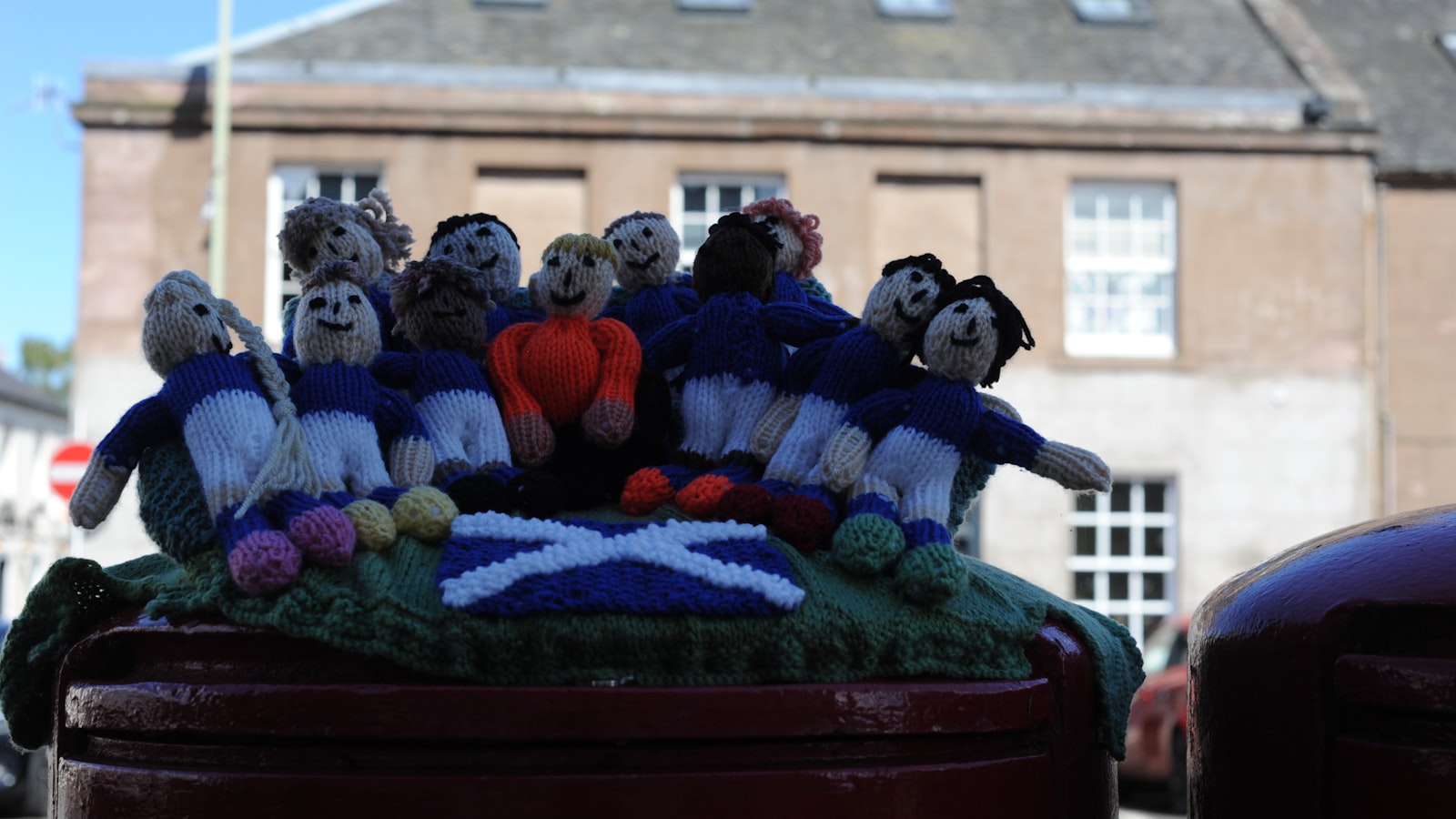
Scotland have not won a World Cup match since June 16, 1990 — the day Stuart McCall and Mo Johnston scored in a 2–1 victory over Sweden at Italia 90. That wait stretches 35 years and counting, and it has come to define an entire era of Scottish football: qualification heartbreak, near-misses, and the lived reality of watching tournament football from a distance. As the 2026 FIFA World Cup approaches, Scotland are back in the field — and their Group C opener against Haiti represents the first realistic opportunity in a generation to end that drought.
The outcome of that match will mean far more than three points on a group-stage table. Scotland’s return to the World Cup after a prolonged absence is itself historic. Whether they begin that return with a win — something no Scottish side has managed in the group stage since 1990 — will immediately reframe the narrative around a program long defined by anguish in qualifying.
From 1990 to now: a generation without a win
Scotland’s last World Cup victory came against Sweden in Italy, when McCall’s strike and Johnston’s finish gave the Scots a 2–1 win in their final group game. The result was not enough to advance — Scotland went out on goal difference — but it stands as the last time a Scottish team left a World Cup pitch with three points.
What followed was not a run of bad luck. It was a structural pattern spanning multiple decades. Scotland did qualify for the 1994 World Cup in the United States, where they were eliminated in the group stage without a win, going 0-1-2. They also reached France 98, where they again went winless across three group matches (0-1-2). Beyond those two appearances, Scotland failed to qualify for the 2002, 2006, 2010, 2014, and 2018 tournaments — five consecutive absences that spanned the heart of an entire footballing generation. They did return to the international stage by qualifying for Euro 2020 (played in 2021) and Euro 2024 under Steve Clarke, but the World Cup remained out of reach for over two decades.
An entire cohort of Scottish footballers — players born after 1990 who grew up watching the national team fall at qualifying hurdles — has never experienced a World Cup until now. That generational weight is not rhetorical flourish; it is the literal biographical reality of every player in Clarke’s current squad.
The 2026 qualification: how Scotland got back
Scotland’s return to the World Cup was secured through Clarke’s qualification campaign, which navigated the expanded UEFA pathway for the 2026 edition — the first tournament to feature 48 teams, co-hosted by the United States, Canada, and Mexico. The expanded format increased the number of European automatic berths from 13 to 16 (with additional playoff spots), making qualification more achievable for nations ranked in Scotland’s tier. FIFA’s official rankings placed Scotland in the high-30s heading into the tournament, a position reflecting genuine improvement in the national program since the low points of the mid-2000s.
Clarke, who took the Scotland job in June 2019 after the dismissal of Alex McLeish, rebuilt the squad’s defensive structure and introduced a culture of pragmatic, results-first football. His record in European Championship qualification — Scotland reached back-to-back Euros for the first time in the country’s history — demonstrated that the squad could compete consistently at tournament level. As Clarke told the BBC in an interview published during the 2026 qualifying campaign: “We want to be at every major tournament. That has to be the standard now.” The question the World Cup poses is whether that consistency translates when the stakes are higher and the opponents less familiar.
Haiti: the opponent, the matchup, and the pressure
Scotland’s Group C opener is against Haiti, ranked significantly below the Scots in the FIFA world rankings. In tactical terms, that gap makes a Scottish win an expectation rather than an achievement. In psychological terms, it carries the full weight of Scotland’s World Cup history. A draw or loss against a lower-ranked side would prompt an immediate crisis of confidence ahead of what are likely to be more difficult group fixtures.
Clarke has consistently downplayed historical framing in his pre-tournament media appearances, telling reporters his squad is focused on the immediate challenge rather than the last 35 years — a standard Clarke deflection, but one that underlines how present the history clearly is. Haiti, for their part, are not passive opposition. Their 2026 qualification was its own achievement, and their squad contains players active across European and North American leagues. Forward Frantzdy Pierrot, who plays his club football for Charlotte FC in MLS, represents a genuine counter-attacking threat that Scotland’s backline cannot take lightly.
Scotland captain John McGinn, the Aston Villa midfielder who leads the team in experience and influence, carries much of the creative burden. A goal or an assist from McGinn would be consistent with his form for both club and country; his long-range shooting and ability to arrive late into attacking areas make him Scotland’s most direct route to goal from midfield. Andrew Robertson’s delivery from left back — his crossing and set-piece delivery have been central to Scotland’s attacking play under Clarke — and Callum McGregor’s control of tempo alongside McGinn will define how much possession Scotland can convert into genuine pressure.
What the group table means and what is at stake
Group C at the 2026 World Cup includes nations with considerably more World Cup pedigree than Haiti. Scotland’s opening fixture is the most winnable game on their schedule, which is precisely why it matters so much. Based on FIFA rankings and Scotland’s expected-goals profile during qualifying — which placed them among the stronger performers in the European bracket — the Haiti fixture represents their clearest route to a first World Cup win since 1990. Dropping points against a lower-ranked side would place immediate pressure on subsequent fixtures and narrow the margin for error significantly.
A win in the opener would put Scotland at the top of the group after matchday one and, more importantly, establish the psychological platform Clarke’s team needs. Progressing to the knockout rounds for the first time in World Cup history would represent a transformation in what Scottish football believes itself capable of — not just for this squad, but for the generation of players coming through youth academies now.
The long-term implications for Scottish football
Scottish Football Association chief executive Ian Maxwell has spoken publicly about the commercial and structural benefits the World Cup return brings to the domestic game. Writing in the SFA’s annual review, Maxwell noted that broadcast interest in the Scottish Premiership rises when the national team is visible on the world stage, and that the federation’s commercial partnerships benefit directly from tournament participation. Kit sales, sponsorship conversations, and the federation’s negotiating position with UEFA on club coefficient matters all shift when Scotland are tournament participants rather than spectators. Those are real, measurable effects — not sentiment.
The deeper implication is harder to quantify. Scotland’s youth academies, domestic league investment, and national program have been rebuilt incrementally since the qualification failures of the early 2000s. A genuine World Cup run — beginning with a win over Haiti and extending into the knockout stage — would not validate that entire process on its own. But it would place a concrete, scoreline-attached marker on the field confirming that the gap between Scottish football’s self-perception and its actual World Cup standing has begun to close.
For a nation whose supporters have worn the “nearly men” label for three decades, a single opening win will not rewrite history. But it would start a new line of it — and that is exactly what 35 years of waiting looks like when it finally ends.
Frequently asked questions
When was Scotland’s last World Cup win before 2026?
Scotland’s last World Cup win before the 2026 tournament was on June 16, 1990, when they beat Sweden 2–1 at the Italia 90 tournament in Italy, with goals from Stuart McCall and Mo Johnston.
Who is Scotland captain at the 2026 World Cup?
John McGinn, the Aston Villa midfielder, captains Scotland at the 2026 FIFA World Cup. He is Scotland’s most experienced and influential midfield player heading into the tournament.
What group is Scotland in at the 2026 World Cup?
Scotland are in Group C at the 2026 FIFA World Cup. Their opening fixture is against Haiti.
How long has Scotland waited for a World Cup win?
Scotland have not won a World Cup match since June 16, 1990 — a wait of 35 years heading into the 2026 tournament. They went winless at the 1994 and France 98 World Cups and missed qualifying entirely for five consecutive tournaments between 2002 and 2018.
What were Scotland’s World Cup qualifying absences before 2026?
Scotland missed the 2002, 2006, 2010, 2014, and 2018 World Cups — five consecutive absences. They did appear at the 1994 and 1998 tournaments but were eliminated in the group stage both times without a win.