
Preserving family photos: archival basics anyone can do
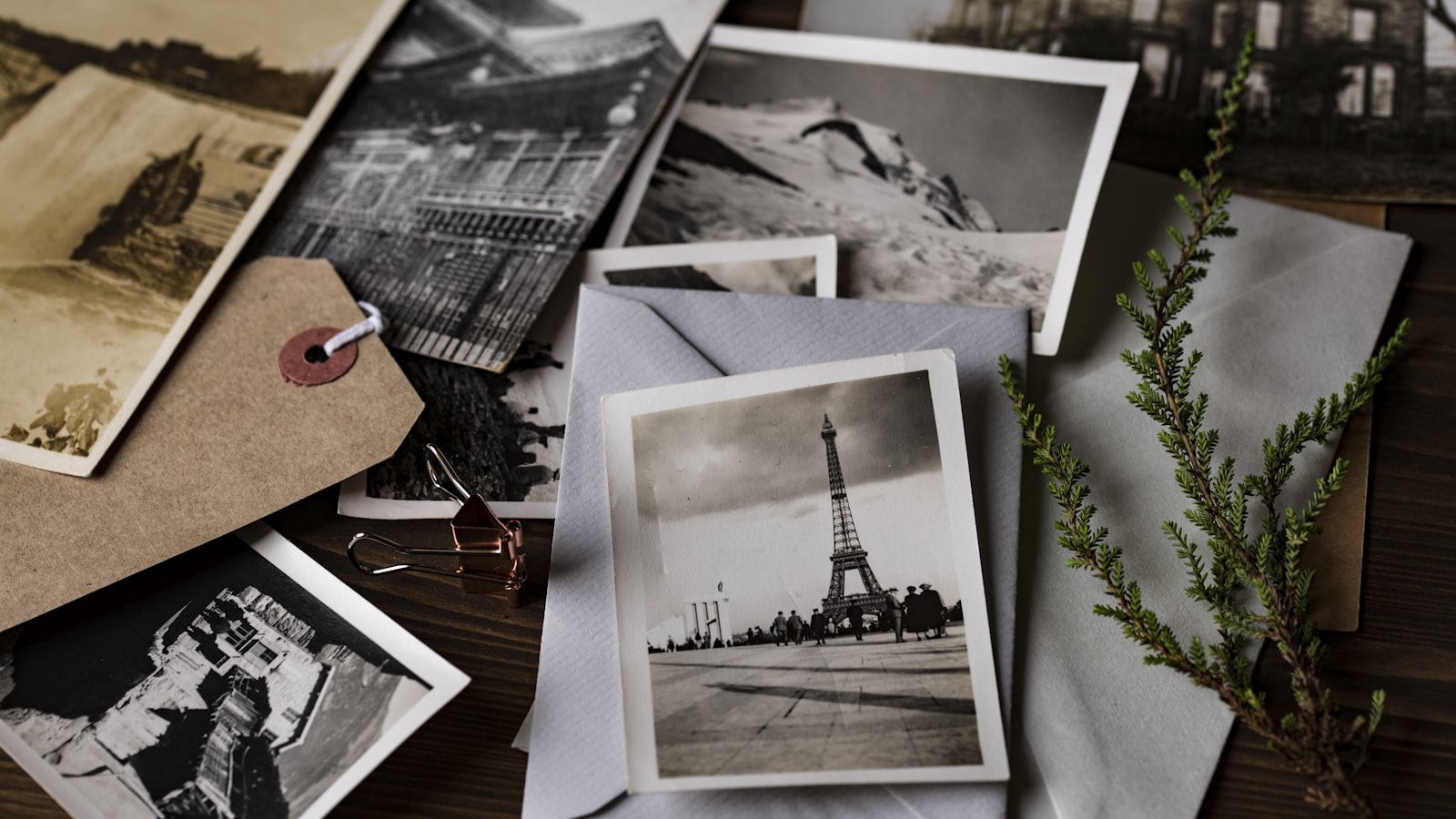
Most families have a box. It contains prints from several decades, some negatives, occasionally slides, and a smaller number of images that genuinely cannot be replaced. The box is usually somewhere structurally unsuitable, and the pictures are usually unlabelled.
Serious archival practice is elaborate. The version that fits a domestic afternoon captures most of the benefit.
Storage location matters more than anything else
Photographs are damaged principally by heat, humidity, light and fluctuation. Of these, fluctuation is the most destructive and the least considered — materials expand and contract with each cycle, and emulsion separates from its backing over time.
This makes the two commonest storage places the two worst. Lofts swing between extremes seasonally. Basements and garages hold moisture, which produces mould that no subsequent treatment reverses.
The best available domestic location is an interior cupboard in the living space — somewhere heated in winter, out of direct light, and away from external walls. This single change frequently does more than every other measure combined, and it is free.
What the photographs are sitting in
Ordinary paper and card are acidic and will yellow and embrittle anything in prolonged contact. Many older albums are worse: the self-adhesive kind with a plastic overlay uses adhesive that turns acidic and bonds irreversibly to the print.
If photographs are in those albums, removing them is worthwhile — carefully, and abandoning any that resist rather than tearing the emulsion.
Replacement materials are inexpensive and sold as acid-free, lignin-free, or having passed the Photographic Activity Test. Plain unbuffered acid-free envelopes and boxes are entirely sufficient for a family collection.
Handling
Hold prints by the edges. Skin oils are acidic and fingerprints etch into emulsion over years, becoming permanent.
Never use adhesive tape, glue or a ballpoint pen on a photograph. If you must write on the back, use a soft pencil, write lightly in a margin, and support the print on a hard surface.
Do not attempt to flatten a curled print by force, or clean a damaged one. Both cause irreversible loss, and both are jobs for a conservator if the image warrants it.
Negatives deserve priority
Where they exist, negatives and slides are the originals and carry more information than any print made from them. They are also more fragile.
Store them separately from prints, in sleeves made for the purpose, in the same stable conditions. If a fire or flood forces a choice, the negatives are what to save.
Digitising, and doing it once properly
Scanning creates a copy that can be duplicated and shared, which is the only real protection against physical loss.
Scan at a resolution high enough that you never need to repeat the job — the effort is in the handling, not the scanning, and rescanning a box is far worse than scanning it at a higher setting the first time. Save an unedited master file and make any adjustments to copies.
Phone scanning applications have become genuinely capable and are far better than not digitising. A flatbed scanner produces better results for prints; negatives need either a dedicated film scanner or a specialist service.
Digitising does not replace the originals. Prints and negatives have survived a century, and no digital format has yet proven it can do the same without active management.
The step that matters most in fifty years
Label them. An unidentified photograph becomes anonymous within two generations, and the people who could have identified it are exactly the people who will not be available later.
Record who is pictured, roughly when, and where. A simple list keyed to a numbering system works, and takes a fraction of the time of writing on each print.
This is genuinely urgent in a way the conservation is not. A print stored badly for another five years will survive. A photograph whose last identifier dies is unrecoverable, and no archival box prevents that.
An afternoon’s work
Move the box somewhere climatically stable. Rescue anything from adhesive albums. Separate negatives into their own sleeves. Sit down with whichever relative knows the most and label as much as you can while that is still possible.
Digitise the irreplaceable ones and get a copy somewhere other than your home. The rest can wait — but the labelling cannot.
Frequently asked questions
Where should family photographs be stored?
In an interior cupboard within the heated living space, away from light and external walls. Lofts and basements are the worst common choices because temperature swings and humidity cause the most damage.
Should I remove photos from old sticky albums?
Yes, where possible. The adhesive in self-adhesive albums turns acidic and eventually bonds irreversibly to the print. Abandon any photograph that resists rather than risk tearing the emulsion.
Is scanning enough to preserve photographs?
It protects against physical loss but does not replace the originals, which have proven century-long durability that no digital format has yet demonstrated without active management. Keep both, and store a digital copy outside your home.