
D4vd preliminary hearing: what the autopsy testimony means
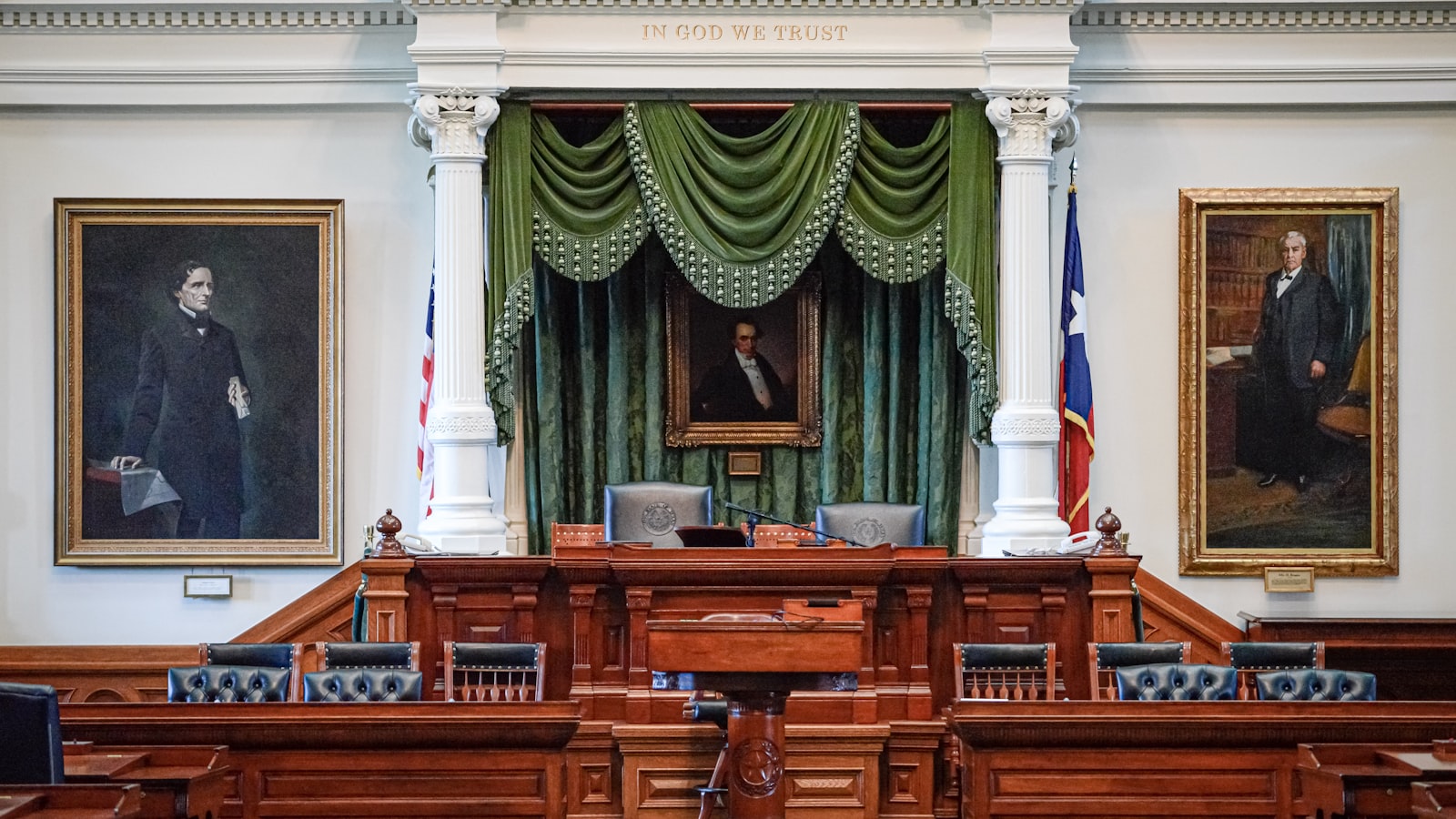
A forensic pathologist took the stand in a Texas courtroom in 2025 to describe, in clinical detail, the fatal injuries sustained by a teenage girl — testimony offered not at a criminal trial, but at a preliminary hearing designed to answer one narrower question: is there enough evidence to send the musician known as D4vd to trial for homicide.
D4vd, the Houston-born artist born David Anthony Burke who charted with his bedroom-pop breakthrough “Romantic Homicide” in 2022, now faces a charge that carries none of the metaphor of that song title. The preliminary hearing — a legal threshold moment that most court reporters describe in shorthand while moving quickly to dramatic testimony — is worth pausing on, because what happens inside it will shape whether one of Gen Z’s most-streamed artists faces a jury. The cultural stakes are real. So is the legal machinery.
What a preliminary hearing actually decides
A preliminary hearing is not a trial. It does not determine guilt or innocence. Under Texas law, as in most U.S. jurisdictions, a judge at this stage evaluates whether the prosecution has demonstrated “probable cause” — a legal standard considerably lower than the “beyond a reasonable doubt” bar a jury must clear for a conviction.
The judge, in other words, is asking: could a reasonable person look at this evidence and conclude a crime likely occurred and that this defendant likely committed it? If the answer is yes, the case proceeds to trial. If no, the charges can be dismissed — though prosecutors retain the option to refile or seek a grand jury indictment.
According to the Cornell Law School Legal Information Institute, probable cause has been defined by U.S. courts as a reasonable belief, based on articulable facts and circumstances, that a crime has been committed and that the accused is the perpetrator — a standard rooted in the Fourth Amendment and applied consistently in state-level preliminary proceedings. The threshold is deliberately permissive toward the prosecution: courts have long held that preliminary hearings exist to filter out only demonstrably insufficient cases, not to resolve contested facts.
The proceedings are deliberately one-sided at this stage. Defense attorneys can cross-examine witnesses, but they rarely put on their own case. The goal is not to win; it is to test the prosecution’s foundation. That context matters when reading any account of autopsy testimony offered at a preliminary hearing — the doctor on the stand is a prosecution witness, and the defense’s full argument has not yet been presented.
According to the Associated Press, the forensic pathologist testified to the nature and severity of the injuries sustained by the victim, whose identity has been reported in connection with the case. The AP’s account of the testimony did not specify whether the defense challenged the pathologist’s conclusions on cross-examination, or whether the judge indicated a timeline for ruling on whether the case proceeds. It is unclear, based on available reporting, when the judge is expected to issue that decision.
The charge D4vd faces and what comes next
D4vd has been charged in connection with the death of a teenage girl. The specific homicide charge — and whether it is classified as murder, manslaughter, or criminally negligent homicide under the Texas Penal Code — carries significantly different sentencing implications if the case reaches a conviction. Texas law distinguishes between capital murder, murder, and lesser homicide categories, with penalties ranging from probation-eligible sentences for criminally negligent homicide to life imprisonment for capital murder, depending on the classification and circumstances. The Texas Penal Code, Title 5, Chapter 19, governs criminal homicide and defines each category separately.
Representatives for D4vd had not issued a detailed public statement responding to the specific autopsy testimony, as of the time of the AP’s report. His legal team’s posture at the preliminary hearing will become clearer once reporting on the cross-examination — and ultimately the judge’s ruling — is available.
The case has drawn attention partly because of the dissonance between D4vd’s public image and the severity of the allegations. His 2022 single “Romantic Homicide,” released when he was 17 and recorded in his bedroom, accumulated hundreds of millions of streams on Spotify and helped establish him as a leading voice in the lo-fi, emo-inflected pop wave that defined early-2020s Gen Z listening habits. Pitchfork and Rolling Stone both covered his rapid ascent. That trajectory now sits in suspension while a Texas judge weighs forensic evidence.
There is a tendency in music coverage — and in true-crime adjacent reporting — to collapse legal process into narrative momentum, treating each hearing as a dramatic beat in a story already assumed to have an ending. A preliminary hearing resists that framing. Its outcome is genuinely uncertain, and its standard of proof is designed to be permissive toward prosecution precisely so that demonstrably weak cases get filtered before trial. The judge’s ruling, whenever it comes, will say something concrete about the evidence — not about guilt.
Why this proceeding deserves careful coverage
The collision of celebrity and criminal process is not new. The O.J. Simpson case, the Phil Spector murder trial, and more recent proceedings involving artists such as Young Thug have all tested how courts and media navigate public fascination with famous defendants. In each instance, the risk is the same: that the cultural story overwhelms the procedural one, and readers leave with emotion but without understanding of what the legal system is actually doing.
Legal scholars and journalists who cover courts have long noted that high-profile criminal cases tend to accelerate public conclusions. The Reporters Committee for Freedom of the Press has published guidance on covering criminal proceedings precisely because each stage of a prosecution — arrest, preliminary hearing, indictment, arraignment, trial — carries a distinct legal meaning that media shorthand can obscure.
What the D4vd preliminary hearing represents, stripped of the music industry context, is a functioning piece of due process. A pathologist testifies under oath. A defense attorney can challenge that testimony. A judge applies a defined legal standard. None of that is diminished by the fact that the defendant once had a viral hit. The victim at the center of this proceeding was a teenager, and the question being adjudicated — whether the evidence of her death warrants a trial — deserves the same sober attention regardless of who is sitting at the defense table.
The Associated Press provided the primary reporting on the autopsy doctor’s testimony at the preliminary hearing.
The next significant milestone in this case is the judge’s ruling on probable cause, which will determine whether D4vd stands trial. If the case proceeds, a trial date would be set under Texas court scheduling — a process that, in high-profile cases, can extend months or longer from the date of the preliminary hearing decision.
Frequently asked questions
What is a preliminary hearing in a homicide case?
A preliminary hearing is a court proceeding in which a judge determines whether there is probable cause — a lower legal standard than proof beyond a reasonable doubt — to send a case to trial. It is not a determination of guilt or innocence.
What charges does D4vd face?
D4vd, born David Anthony Burke, faces a homicide charge in Texas in connection with the death of a teenage girl. The exact classification of the charge — whether murder, manslaughter, or a lesser homicide category — carries different sentencing implications under Texas law.
What does an autopsy doctor testify to at a preliminary hearing?
A forensic pathologist at a preliminary hearing typically testifies about the cause and manner of death, the nature of injuries sustained by the victim, and any medical conclusions that support the prosecution’s theory of the case. The defense may cross-examine the witness but usually does not present its own case at this stage.
What happens after a preliminary hearing?
If the judge finds probable cause, the case proceeds to trial. If the judge does not find probable cause, the charges may be dismissed, though prosecutors can often refile or seek a grand jury indictment. The judge’s ruling is the critical next step in the D4vd case.